

Introduction
The healthcare industry is evolving rapidly, and physiotherapy has emerged as one of the most promising career options for students interested in rehabilitation, movement science, and patient care.
With increasing awareness of physical fitness, sports injuries, neurological rehabilitation, orthopedic treatments, and elderly care, the demand for qualified physiotherapists is growing across India and globally.
If you are planning to pursue a Bachelor of Physiotherapy (BPT), choosing the right college can significantly influence your learning experience, clinical exposure, internship opportunities, and future career prospects.
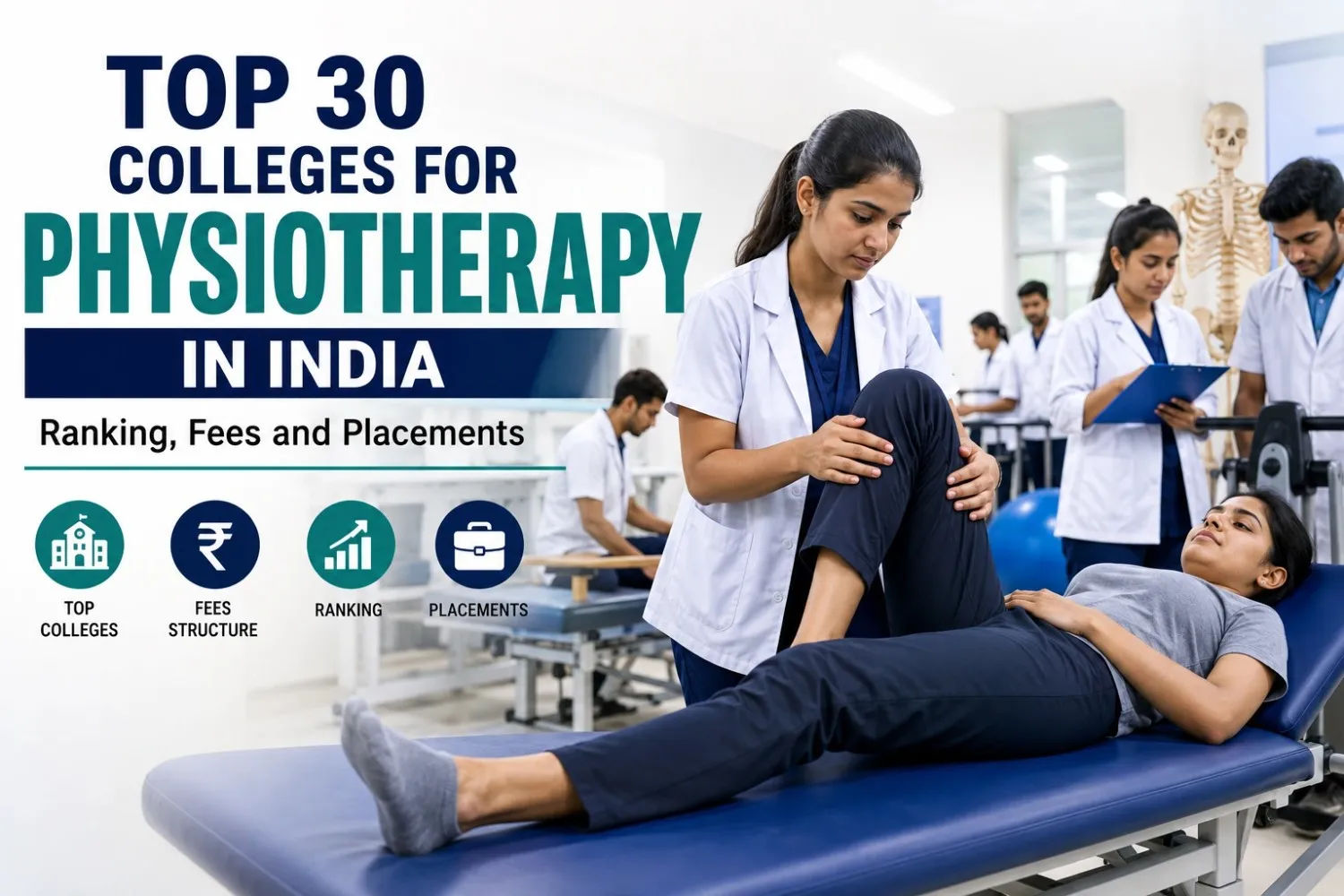
In this comprehensive guide, we explore the top 30 physiotherapy colleges in India, including rankings, fees, placements, eligibility, admission process, career opportunities, and expert tips for selecting the right institution.
Students exploring healthcare careers may also benefit from related resources available on Vidya Udbhav such as a healthcare career planning guide, allied health science programs, and a student success roadmap.
Quick Answer: Which Are the Best Physiotherapy Colleges in India?
The best physiotherapy colleges in India are:
- Christian Medical College (CMC), Vellore
- Manipal College of Health Professions
- Jamia Hamdard University
- Sri Ramachandra Institute
- Kasturba Medical College
- Government Medical College Nagpur
- Saveetha Institute of Medical and Technical Sciences
- NIMS University
- MGM Institute of Health Sciences
- Integral University
These colleges are known for strong academics, hospital exposure, research facilities, internships, and placement opportunities.
What is Physiotherapy?
Physiotherapy is a healthcare discipline focused on improving movement, reducing pain, restoring function, and enhancing quality of life through physical interventions.
Physiotherapists work with patients suffering from:
- Sports injuries
- Neurological disorders
- Orthopedic conditions
- Post-surgical recovery
- Pediatric disabilities
- Geriatric conditions
- Cardiopulmonary disorders
They play a crucial role in rehabilitation and preventive healthcare.
Why Choose Physiotherapy as a Career?
Growing Demand
Healthcare systems worldwide increasingly require rehabilitation professionals.
Diverse Career Opportunities
Graduates can work in:
- Hospitals
- Sports academies
- Rehabilitation centers
- Clinics
- Fitness centers
- Research institutions
- Universities
Global Career Potential
Countries such as Canada, Australia, Germany, the UK, and the Middle East actively recruit physiotherapists.
Attractive Earnings
Experienced physiotherapists can earn competitive salaries, especially in specialized fields like sports rehabilitation and neurological therapy.
Top 30 Physiotherapy Colleges in India: Ranking, Fees, and Placements
Comparison Table
| 1 | CMC Vellore | ₹60,000–₹1 Lakh | Excellent |
| 2 | Manipal College of Health Professions | ₹2–4 Lakhs | Excellent |
| 3 | Jamia Hamdard | ₹1–2 Lakhs | Very Good |
| 4 | Sri Ramachandra Institute | ₹2–3 Lakhs | Excellent |
| 5 | Kasturba Medical College | ₹2–4 Lakhs | Excellent |
| 6 | Saveetha University | ₹1.5–3 Lakhs | Very Good |
| 7 | MGM Institute | ₹1–2 Lakhs | Good |
| 8 | NIMS University | ₹1–2 Lakhs | Good |
| 9 | Integral University | ₹80,000–1.5 Lakhs | Good |
| 10 | Government Medical College Nagpur | Low | Good |
Detailed List of Top Physiotherapy Colleges
1. Christian Medical College (CMC), Vellore
CMC is widely regarded as one of India's most prestigious healthcare institutions.
Highlights
- Exceptional clinical exposure
- Advanced rehabilitation facilities
- Experienced faculty
- Strong academic reputation
Placement Outlook
Graduates are highly sought after by hospitals and healthcare organizations.
2. Manipal College of Health Professions
Manipal offers one of the country's strongest physiotherapy programs.
Key Advantages
- Modern laboratories
- Research opportunities
- International collaborations
- Comprehensive clinical training
Placement Opportunities
Students often secure positions in leading healthcare institutions.
3. Jamia Hamdard University
Jamia Hamdard is known for quality healthcare education and strong practical learning.
Why Students Prefer It
- Affordable fee structure
- Good infrastructure
- Strong hospital tie-ups
- Excellent academic support
4. Sri Ramachandra Institute of Higher Education and Research
This institution provides outstanding physiotherapy education with extensive hospital exposure.
Key Strengths
- Multi-specialty hospital access
- Research-oriented curriculum
- Industry-ready training
5. Kasturba Medical College
A leading healthcare education institution offering quality physiotherapy training.
Benefits
- Excellent faculty
- Clinical internships
- Strong healthcare network
6. Saveetha Institute of Medical and Technical Sciences
Saveetha has developed a strong reputation in allied healthcare education.
Highlights
- Advanced simulation labs
- Practical learning approach
- Active placement support
7. MGM Institute of Health Sciences
MGM offers excellent healthcare education with substantial clinical exposure.
Best For
Students seeking balanced academics and practical training.
8. NIMS University
NIMS attracts students from across India due to its healthcare-focused programs.
Advantages
- Modern infrastructure
- Research facilities
- Affordable education
9. Integral University
Integral University provides strong physiotherapy education through clinical practice and academic excellence.
Placement Areas
- Hospitals
- Rehabilitation centers
- Community healthcare projects
10. Government Medical College Nagpur
A preferred option for students seeking quality education at lower costs.
Major Benefits
- Affordable fees
- Government institution credibility
- Strong patient exposure
11. Maharishi Markandeshwar University
Known for quality healthcare and rehabilitation education.
12. Lovely Professional University
Offers modern laboratories and industry-focused learning.
13. Sharda University
Strong infrastructure and a growing healthcare ecosystem.
14. Galgotias University
Popular among healthcare and allied science students.
15. Amity University
Offers modern physiotherapy programs with interdisciplinary learning opportunities.
How to Choose the Right Physiotherapy College
Step 1: Check Accreditation
Ensure the college is recognized by relevant authorities.
Step 2: Evaluate Clinical Exposure
Look for attached hospitals and patient interaction opportunities.
Step 3: Review Faculty Expertise
Experienced faculty significantly improve learning outcomes.
Step 4: Compare Placement Records
Placement support can accelerate career growth.
Step 5: Assess Infrastructure
Check:
- Rehabilitation labs
- Sports therapy facilities
- Research centers
- Clinical training units
Benefits of Studying at a Top Physiotherapy College
Better Clinical Experience
Hands-on learning develops confidence and competence.
Strong Placement Opportunities
Leading institutions attract top recruiters.
Higher Salary Potential
Quality education often translates into stronger career outcomes.
Professional Networking
Students gain access to healthcare professionals and industry mentors.
Common Challenges Faced by Physiotherapy Students
Competitive Admissions
Top colleges receive thousands of applications.
Intensive Practical Training
Students must develop strong patient handling skills.
Continuous Learning
Healthcare evolves constantly, requiring ongoing education.
Practical Solutions for Success
- Start entrance preparation early.
- Focus on biology fundamentals.
- Gain volunteer experience in healthcare settings.
- Develop communication skills.
- Participate in internships and workshops.
Real-Life Career Paths After BPT
A physiotherapy graduate may work as:
- Clinical Physiotherapist
- Sports Physiotherapist
- Neurological Rehabilitation Specialist
- Orthopedic Physiotherapist
- Pediatric Physiotherapist
- Geriatric Physiotherapist
- Rehabilitation Consultant
Many professionals also establish private clinics after gaining experience.
Tools and Resources for Physiotherapy Students
Beginner-Friendly
- Anatomy Atlas
- Complete Anatomy
- PhysioU
Academic Learning
- PubMed
- ResearchGate
Clinical Documentation
- Hospital Management Systems
- Electronic Medical Records
Beginner Strategy
Students in Class 12 should:
- Focus on PCB subjects.
- Research colleges early.
- Understand admission criteria.
- Build communication skills.
- Explore healthcare career pathways.
Advanced Strategy
For serious aspirants:
- Pursue internships during study.
- Learn sports rehabilitation.
- Develop research skills.
- Obtain specialized certifications.
- Build a professional portfolio.
Mistakes to Avoid
- Choosing a college solely based on fees.
- Ignoring placement support.
- Overlooking clinical exposure.
- Not verifying accreditation.
- Neglecting internship opportunities.
Expert Tips
One thing many beginners miss is that hospital exposure often matters more than campus size.
Employers value practical competence, patient management skills, and rehabilitation expertise far more than marketing claims.
Choose institutions that offer consistent patient interaction throughout the program.
Future Trends in Physiotherapy
The future of physiotherapy is being shaped by:
- Sports rehabilitation
- Tele-rehabilitation
- Robotic therapy
- AI-assisted assessment
- Geriatric care
- Neurological rehabilitation
- Preventive healthcare
Demand for physiotherapists is expected to continue growing over the coming decade.
Conclusion
Physiotherapy is one of the fastest-growing healthcare professions, offering rewarding career opportunities in India and abroad. Choosing the right college can significantly impact your professional journey.
When evaluating the top physiotherapy colleges in India, prioritize clinical exposure, faculty quality, infrastructure, internships, and placement opportunities rather than focusing only on rankings.
Students can further strengthen their preparation through healthcare career planning guides, placement preparation strategies, and allied health science resources available on Vidya Udbhav.
Frequently Asked Questions (FAQs)
1. Which is the best physiotherapy college in India?
Christian Medical College Vellore, Manipal College of Health Professions, and Sri Ramachandra Institute are among the most respected institutions.
2. What is the duration of a BPT course?
The Bachelor of Physiotherapy program generally lasts 4.5 years, including internship training.
3. What is the average fee for physiotherapy colleges in India?
Fees can range from ₹30,000 to ₹4,00,000 per year, depending on the institution.
4. Is physiotherapy a good career in 2026 and beyond?
Yes. Rising healthcare awareness and rehabilitation needs continue to increase demand for qualified physiotherapists.
5. Can physiotherapists work abroad?
Yes. Many countries actively recruit physiotherapists after licensing and credential evaluation requirements are met.
6. What is the average salary after BPT?
Fresh graduates may earn ₹3–6 LPA, while experienced specialists can earn significantly more.
7. Which specialization has the highest demand?
Sports physiotherapy, neurological rehabilitation, orthopedic physiotherapy, and geriatric rehabilitation are among the most sought-after specialties.
8. Is NEET required for BPT admission?
Requirements vary by institution. Many colleges admit students based on merit, while some conduct entrance examinations.